Improve content findability
Increase your product’s findability and discoverability by exploring Little Language Models’ information architecture resources.
-

How to manage stakeholder feelings in content decisions for website redesigns
A common point of tension between stakeholders is the fate of the content. People have ideas, fears, and dreams about what will…
Read More: How to manage stakeholder feelings in content decisions for website redesigns -
![[Interview] This Is Why Adding More Content Makes Things Worse](https://littlelanguagemodels.com/wp-content/uploads/2026/03/two-types-of-information-architecture-interview.png)
[Interview] This Is Why Adding More Content Makes Things Worse
In the latest Technical Writing Uncensored interview, we break down what an information architect actually does and the role of IA in…
Read More: [Interview] This Is Why Adding More Content Makes Things Worse -
![[Interview] What Product Leaders Should Know About Tools and AI](https://littlelanguagemodels.com/wp-content/uploads/2026/03/state-of-docs-gitbook-2026-contributor-1.jpeg)
[Interview] What Product Leaders Should Know About Tools and AI
The State of Docs 2026 report just came out, and I was featured discussing three critical areas for product and design leaders.
Read More: [Interview] What Product Leaders Should Know About Tools and AI -
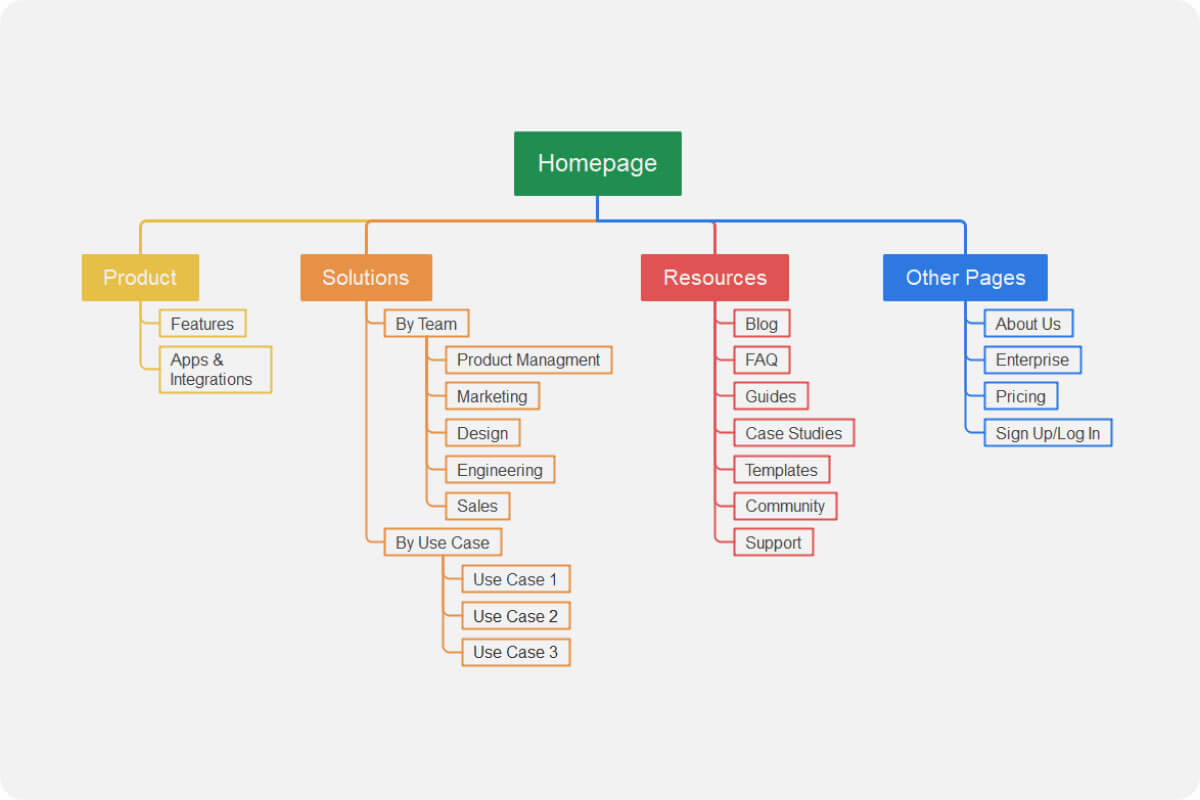
Why back-end information architecture requires a different approach than front-end IA
In large, complex sites, this distinction is everything.
Read More: Why back-end information architecture requires a different approach than front-end IA -
How much control do users want in UX?
How much control should the user have over a workflow? Is user control a given? Is it a benefit? Or is it…
Read More: How much control do users want in UX? -

How this hospital prevents blocked elevator entrances through a core information architecture principle
Grouping is one of the key principles of making information more findable.
Read More: How this hospital prevents blocked elevator entrances through a core information architecture principle -
![[Video] Wikipedia information architecture breakdown](https://littlelanguagemodels.com/wp-content/uploads/2026/01/Screenshot-2026-01-27-at-9.49.23-PM.png)
[Video] Wikipedia information architecture breakdown
I review Wikipedia’s website navigation, page structure, and how the non-profit organizes information to surface knowledge to over 2 billion monthly users.
Read More: [Video] Wikipedia information architecture breakdown -
![[Video] Ticketmaster information architecture breakdown](https://littlelanguagemodels.com/wp-content/uploads/2025/12/Ticketmaster-information-architecture-breakdown-YouTube-video-thumbnail.png)
[Video] Ticketmaster information architecture breakdown
I review Ticketmaster’s website navigation, page structure, and how the company organizes information to surface events and tickets to over 100 million…
Read More: [Video] Ticketmaster information architecture breakdown -

Client highlights: Avoid + Verify in an AI unicorn company’s content style guide
When standardizing common terminology in a language style guide, include what to Avoid and Verify.
Read More: Client highlights: Avoid + Verify in an AI unicorn company’s content style guide -

Why most websites fail at guiding users effectively
“We’ve invested thousands of dollars in our website, but people keep complaining about it.”
Read More: Why most websites fail at guiding users effectively